What to Pack When Visiting Alaska
While it is likely one of the most beautiful places on earth, Alaska is also one of the wildest. You need to be able to plan for the unpredictable. This may make packing a little more complicated than you’re used to. This guide will help you figure out just what you need to pack for your trip to Alaska.
Clothing
The weather in Alaska is constantly changing. In the morning, it can be clear and sunny; by afternoon, it can be raining and overcast in the evening. And, any combination of quick weather changes. This means that you should bring clothes that work in a variety of situations. The best way to do this is to dress in layers. Synthetic fabrics are best, and we recommend avoiding cotton clothing whenever possible. Here are some clothing items we suggest:
- A rain jacket and rain pants
A good rain jacket is necessary for enjoying your experience visiting Alaska. It keeps your warm clothes dry and protects you in a downpour. Rain pants aren’t necessary, but they can provide a bit of extra protection against rain.
- An insulated jacket
This could be a fleece or a synthetic insulated puffy. Down is wonderful in dry weather, but won’t keep you warm if it gets wet.
Long sleeve shirt for sun protection. (revolution) A synthetic, tightly woven, light-colored shirt will provide the most protection against sun and bugs. Some even come with sun protection and bug protection technology built into the fabric. (Dermnet)
- Hiking pants
These should be quick-drying, easy to move in, and made from a synthetic fabric. Extra pockets are a plus.
- A warm base layer
You should have one for both your top and bottom. These could be made from a synthetic material. However, wool is best because it is not only warmer but also has antimicrobial properties, so you won’t have to do as much laundry. Additionally, wool is lightweight and dries quickly. (REI)
- Wool socks
Wool socks are essential in keeping your feet warm and happy. First off, they keep your feet warm even when wet. This makes a huge difference when trekking on a glacier or crossing a river. They will also reduce your risk of blisters. (REI)
- Warm hat and gloves
Nights can get cold, as can days spent out in snow or on ice, so it is important to have something to keep your head and hands warm.
Sun and Bug Preventatives
While it rains a lot in Alaska, there are also days when the sun is out all day. So, considering sun protection is particularly important. Bugs are often present in all weather, and it can improve overall happiness if you have a plan to deter them. Long sleeves and pants are ideal for most situations. Here are a few items that can help protect you from both sun and bugs:
- Sunscreen
We suggest one that is mainly zinc. Zinc is often called a physical sunscreen because, instead of soaking in like most chemical sunscreens, it sits on top of your skin. This blocks the sun’s rays by scattering them in different directions. (Library of Medicine)
- Bug repellent
There are a few different types of bug repellent to consider. The first is a spray that goes directly onto the skin. This could be a chemical-based repellent like Picaridin or DEET, or you could go the more natural route with a plant oil-based repellent. The other option is to wear treated clothing. Some clothing comes pre-treated, or you can treat it yourself by buying spray-on Permethrin.
- Sunglasses
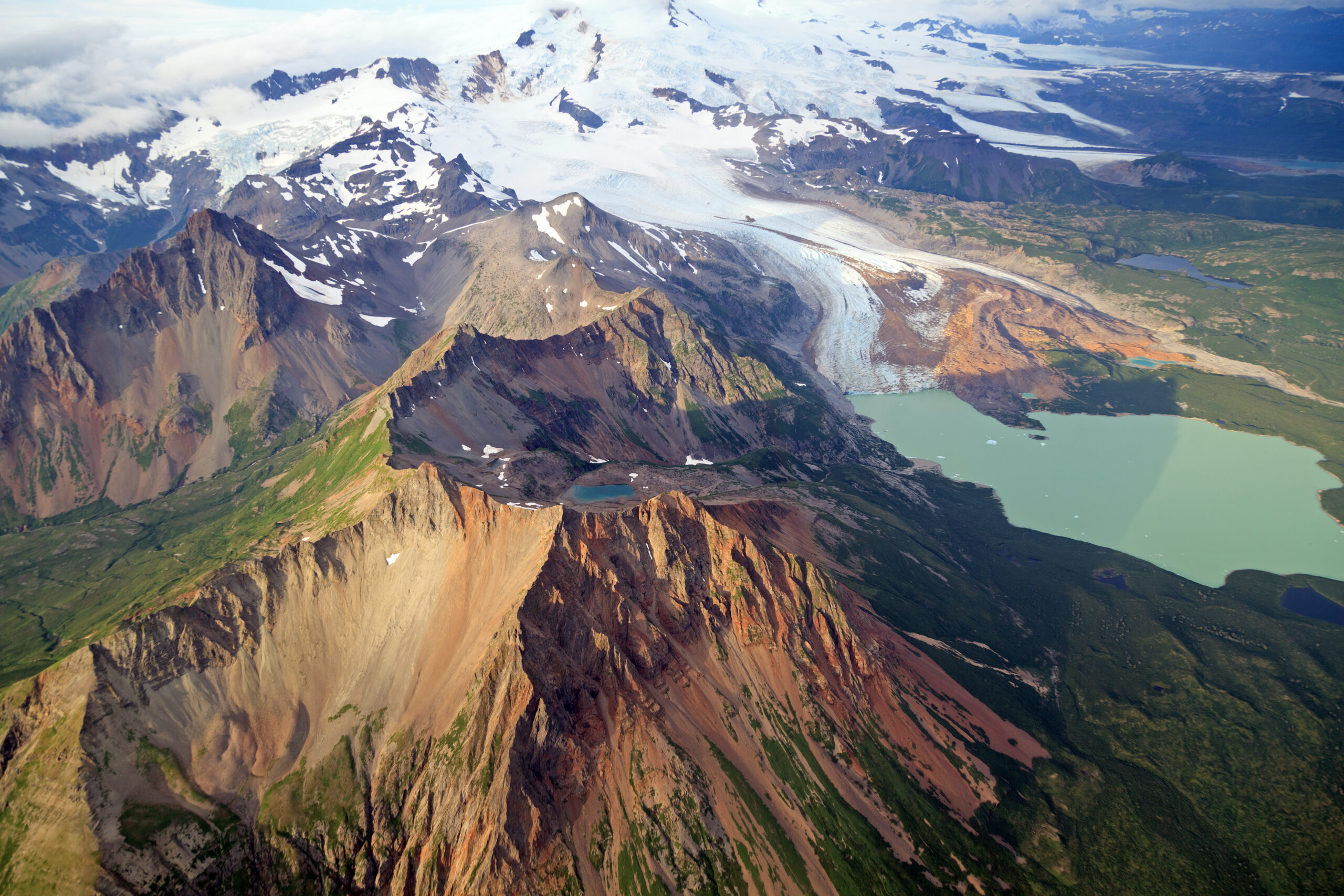
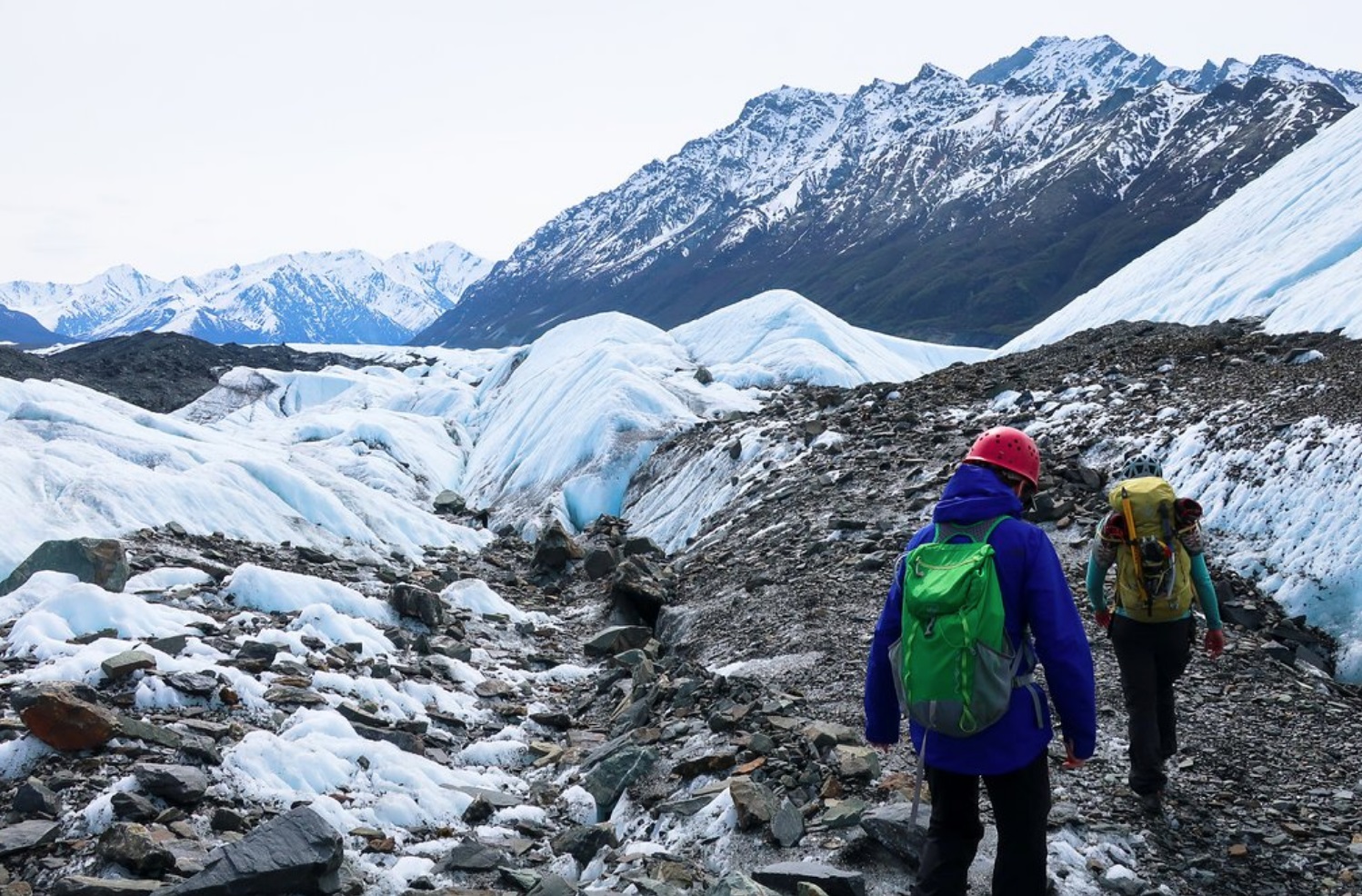
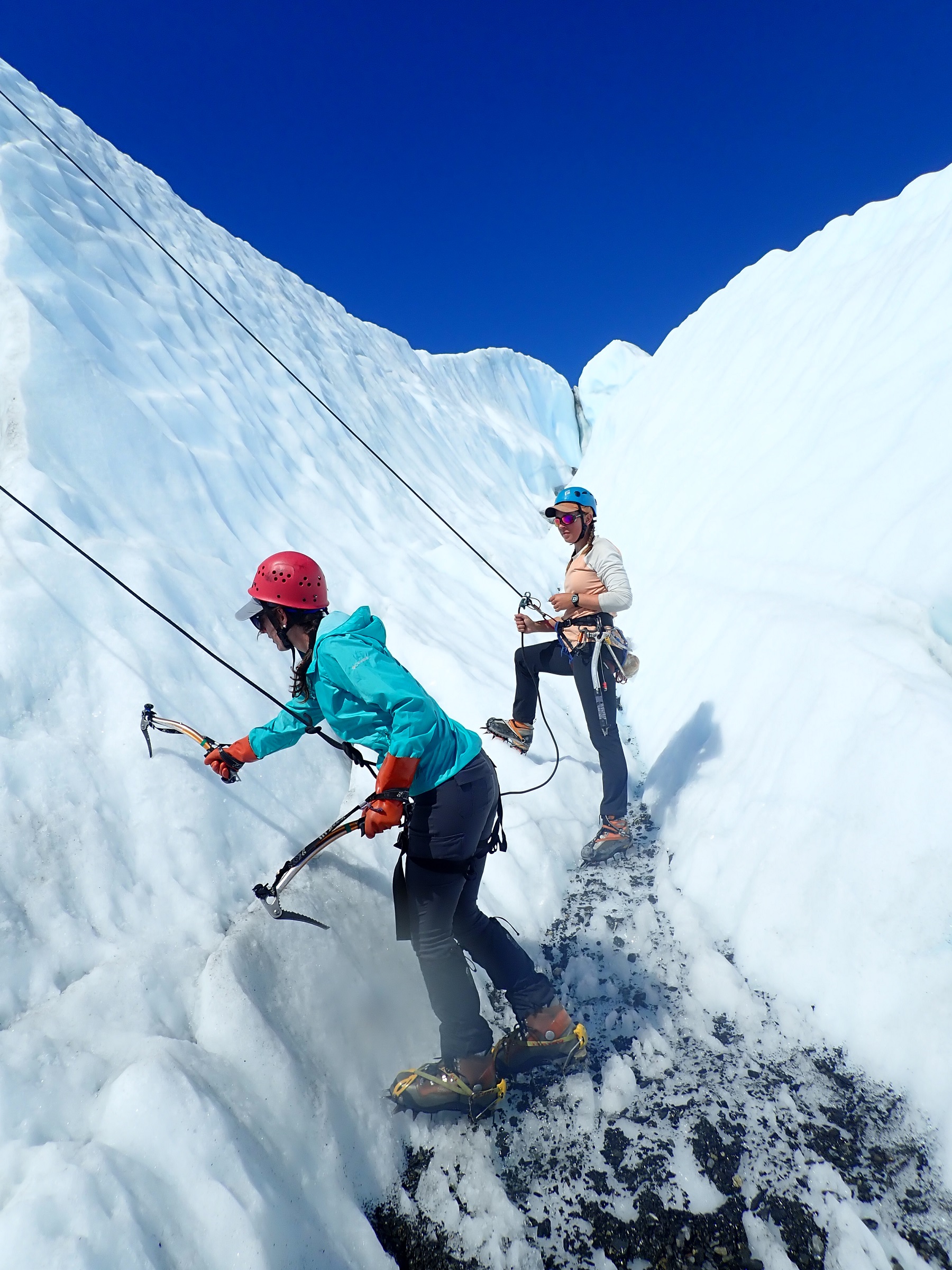
Alaska is known for its glaciers, and it is more than likely that you will have the chance to see one on your trip. The ice on a glacier or the surface of water can bounce a glare back at you; this is called double exposure. This can potentially cause damage to your eyes. Sunglasses help protect you and make it easier to see while out on a glacier or on any sunny day. Sunglasses with UV protection are recommended. (Medic Health)
- A Sunhat
A little extra sun protection never hurt anybody. A good sun hat with a large brim will provide that extra bit of shade to help protect you on those sunny days.
Shoes
One of the best parts of coming to Alaska is the easy access to amazing hikes and adventures. Having good footwear will make all the difference in enjoying those activities.
- Hiking Boots
A sturdy pair of hiking boots or trail shoes will be essential for most of your adventures. You will want something that is comfortable and has good traction. Take the time to get your boots fitted and break them in before your trip to avoid blisters and hot spots.
- Sandals
Having a pair of sandals to change into at the end of the night gives your feet a much-needed break from your hiking boots. Giving your feet time to dry out for at least a couple of hours a day is essential to your foot health. (Voyage Healthcare)
Extras
- An eye mask or buff
Alaska is called the land of the midnight sun for a reason. Throughout most of the summer, it never really gets dark, so if you are light sensitive at night, consider something to cover your eyes. This is particularly handy when spending the night in a tent, which blocks very little light. Birds tend to sing through the midnight sun as well, so bringing along some earplugs for certain areas may be in your best interest. (How Stuff Works)
- Day pack
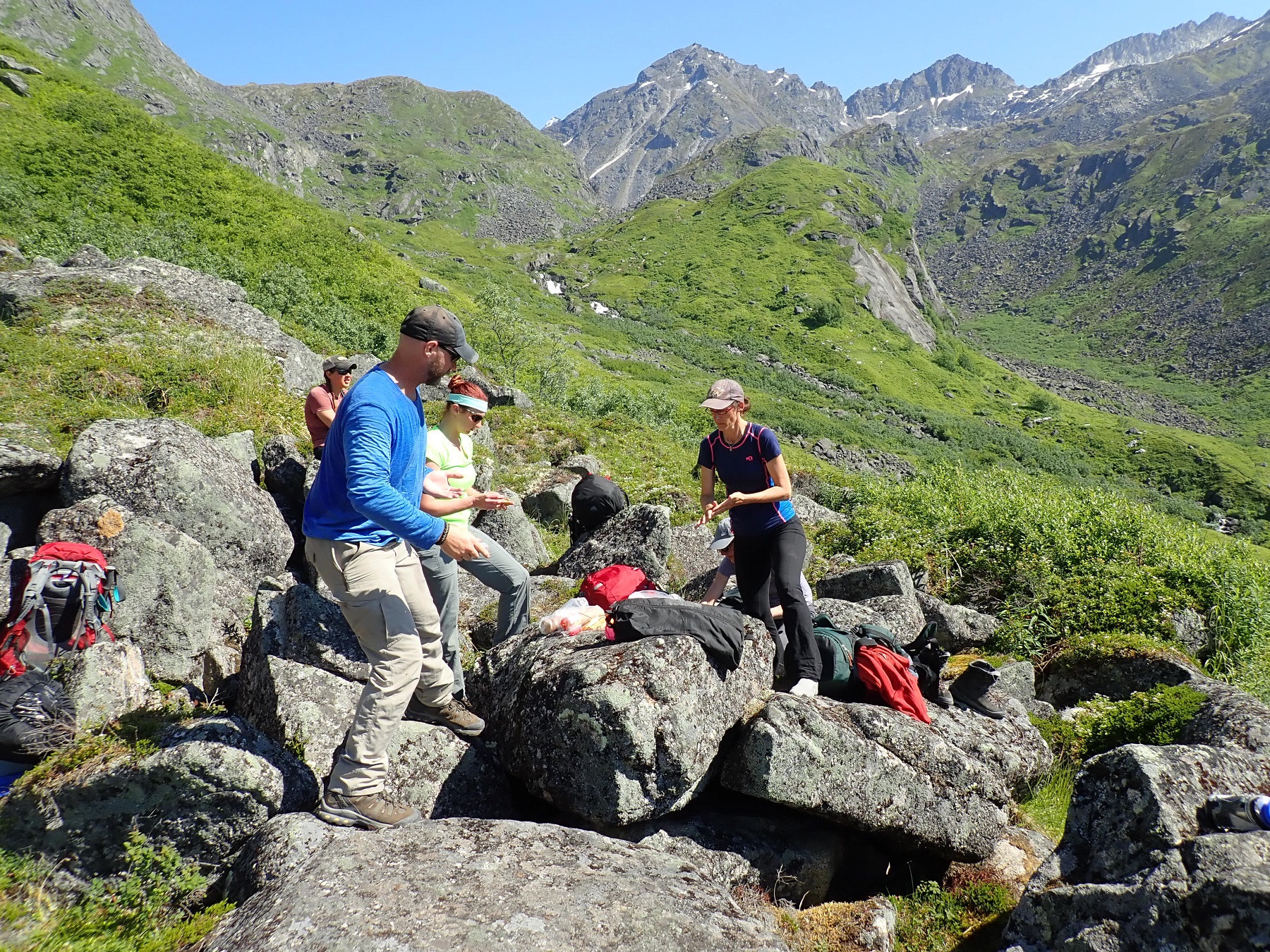
If you’re getting out and really exploring Alaska, you’ll want somewhere to store your stuff. Because of that, for just about anything you do, you will likely be happy with a small, lightweight daypack between 18 and 30 liters. (FAA)
- Bear Spray
If planning to spend time in the Alaskan wilderness, bear spray is essential in case of a close encounter with a bear. Plan on getting this when you arrive in Alaska, as it is not allowed on planes. Also, be loud and talkative out in the woods so any wildlife knows you’re coming. Click here to find out how to be more bear aware.
- Binoculars
These are not necessary, but they can be fun to have if you are interested in getting a closer look at wildlife or distant scenery.
- Camera/phone
Alaska is beautiful, and pictures are a great way to remember your experiences here. Nowadays, most phone cameras are just as functional as a standard camera, so keep your packing light and make sure your phone is charged. Phones can double as GPS for the trails, too. You can often benefit from traveling with a backup battery bank. This helps to ensure that you have a charge, no matter where you are.
Ready for Adventure
Knowing what to pack for your trip to Alaska can make all the difference in your experience. And taking on logistics early can help you feel ready to dive fully into Alaska. So get packed and get out there, Alaska is ready to be explored, responsibly.